
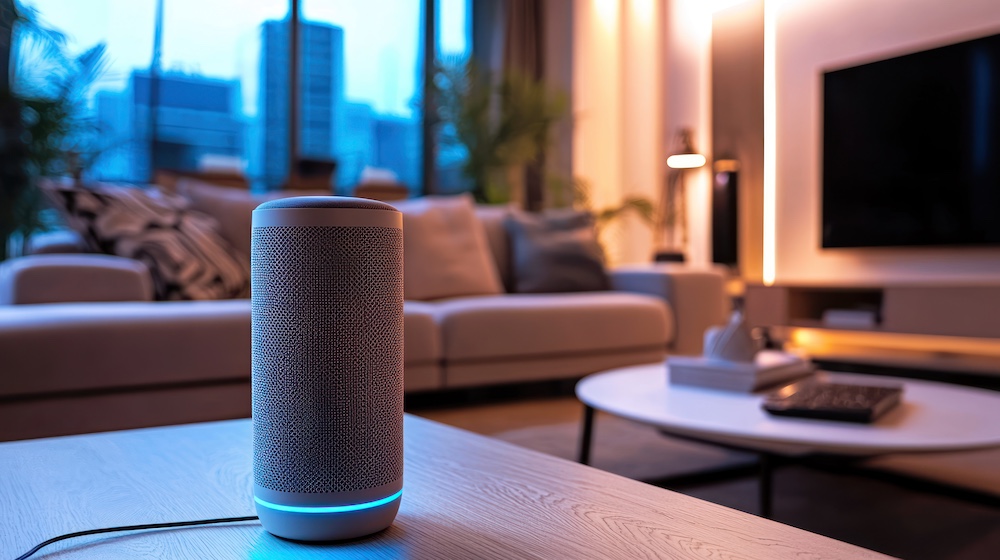
We’ve all had an uneasy experience with our smart devices at some point. For example, you’re having a conversation with a friend when one of you mentions a particular product or service; shortly afterward, you get served an ad online for that very thing. Creepy! But are your various smart devices actually listening to you?
Are your smart devices eavesdropping?
The answer to this is mixed, with somewhat conflicting responses. Mitigating factors include the type of tech company device you are using and what you are saying. Those devices include Amazon’s assistants, such as Echo and Dot, Apple’s Siri on all Apple devices, and Google Home.
Generally, Amazon, Apple, and Google all have practices in place designed to protect your privacy. That does not mean, however, that your conversations and other interactions are not being recorded and, possibly—although very unlikely—heard by human ears. Sometimes you inadvertently trigger the device to listen briefly by saying an errant word.
The main listening is done by algorithms that turn your voice commands, purchases, and third-party interactions into a tracking code to serve you more of the same. If you show interest in a product, you’ll receive ads for it.
Alexa, Siri, and Google Home passively listen for their “wake” word. They are supposed to activate active listening when their wake word, such as “Alexa” or “Siri,” is spoken. Then you will see the indicator light turn on, indicating that the device is activated.
Smart devices collect information about you, such as the products you order, the music you listen to, and the tasks you ask them to perform. The devices save that information, much like your browsing history online uses cookies for the same purpose.
Are your smart devices always engaged?
Do the devices ever listen without detecting the “wake” word? Passively, yes, while waiting for that word. But there are anecdotal reports that people having arguments or even couples engaged in intimacy have accidentally triggered devices, although the instances seem to be rare.
Researchers have analyzed smartphones and not found evidence of covert active listening. Plus, federal and state wiretapping and surveillance laws prohibit illicit activity.
Another uncertain source is third-party apps you may have downloaded, which, in their terms of service, may have given you access to your microphone without your knowing. Go to Settings, locate that app, and disable its microphone access.
Do real humans ever listen?
The tech companies claim that a very small percentage of recordings are used solely for language learning and performance. The conversations are not kept indefinitely and are supposed to be stripped of any identifying information.
Security measures
There are several steps you can take to protect your privacy as much as possible.
First, do what 99% of people never do: Read the privacy policy in the terms of use for your device and for third-party apps. This will reveal essential measures you can take:
- Clear the device’s cache of commands, recordings, and searches for the day.
- Use the mute button on the device to pause a conversation.
- Set up a strong password for your device and for the Wifi network and router in your home. Use two-factor authentication when possible. This last step is primarily for protecting you from hackers, rather than from the tech companies themselves.
Related – Are You Being Watched? How to Spot Hidden Cameras in Vacation Rentals