
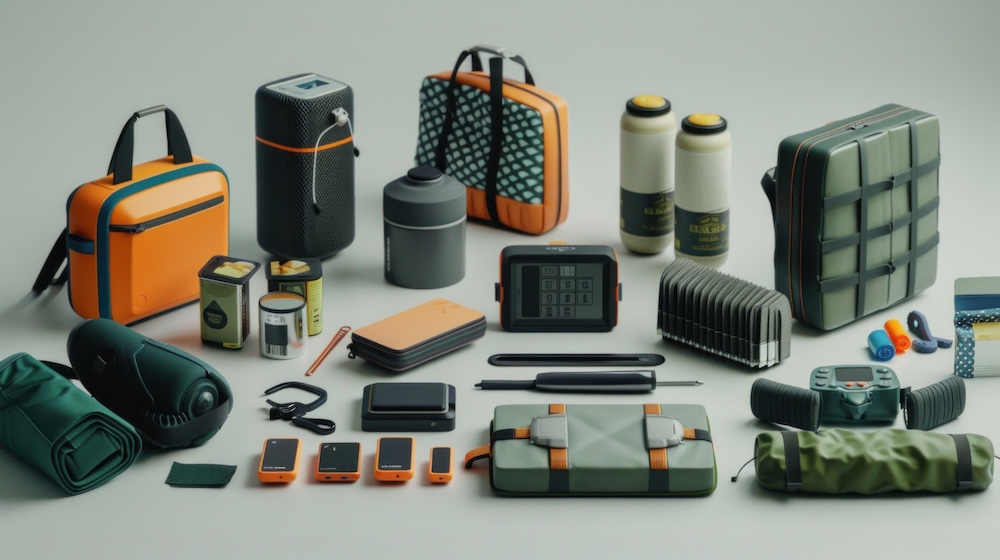
Each year brings its share of natural disasters—from severe storms and floods to wildfires—often leaving families without power, cell service, or reliable communication. It’s essential to be prepared with the right tech devices for emergencies. These can be a lifeline, keeping you connected, safe, and informed when it matters most. From backup power supplies to emergency radios, here are the essential gadgets every household should include in an emergency preparedness kit.
Tech devices for emergencies: what to keep on hand
- A backup power supply keeps your mobile phone charged. A backup battery or power bank charger with at least 10,000 mAh is good for two cell phone recharges before it needs recharging.
- A solar-powered battery charger is a good backup when there is adequate sunshine.
- Have plenty of charging cords with a variety of plug types, USB, and USB-C.
- A hand-crank-powered radio with AM, FM, and NOAA weather bands can keep you informed indefinitely when there is no power.
- A portable generator can power larger devices such as refrigerators, space heaters, or portable air conditioners. A dual-fuel generator runs on gasoline or propane.
- Google Maps offers downloadable versions of specific maps that you can save. This comes in handy if cell service is down. Or you can go retro and order a hard-copy paper map online to keep in your emergency kit.
Other important tips for emergency preparedness
FEMA will send you emergency information specific to your area if you text keywords such as “Prepare” and “Shelter” to 43362.
Many metro and county governments offer mobile phone emergency alert services that you can sign up for. You will receive push notifications whenever severe conditions are possible.
It is important to keep devices dry and store them at the right temperature. A cell phone operates properly within a range of 32º to 95º Fahrenheit. If your cell phone gets wet, place it in a sealed Ziploc bag filled with rice to dry it out.
Store backup batteries and charger devices during non-emergency times in a cool, dry place, protected within a plastic storage container.
The American Red Cross offers a downloadable app that continues to operate even when cellular service is down. It contains potentially life-saving information.
Related – Don’t Leave Home Without These 12 Items In Your Car Emergency Kit